Workshop Setup For Cutting Operations
Precision-driven industries are evolving faster than ever, and modern workshops are no longer just physical spaces, they are strategic ecosystems where efficiency, safety, and engineering intelligence intersect. Every decision inside a workshop directly influences output quality, operational speed, and long-term competitiveness in global manufacturing markets.
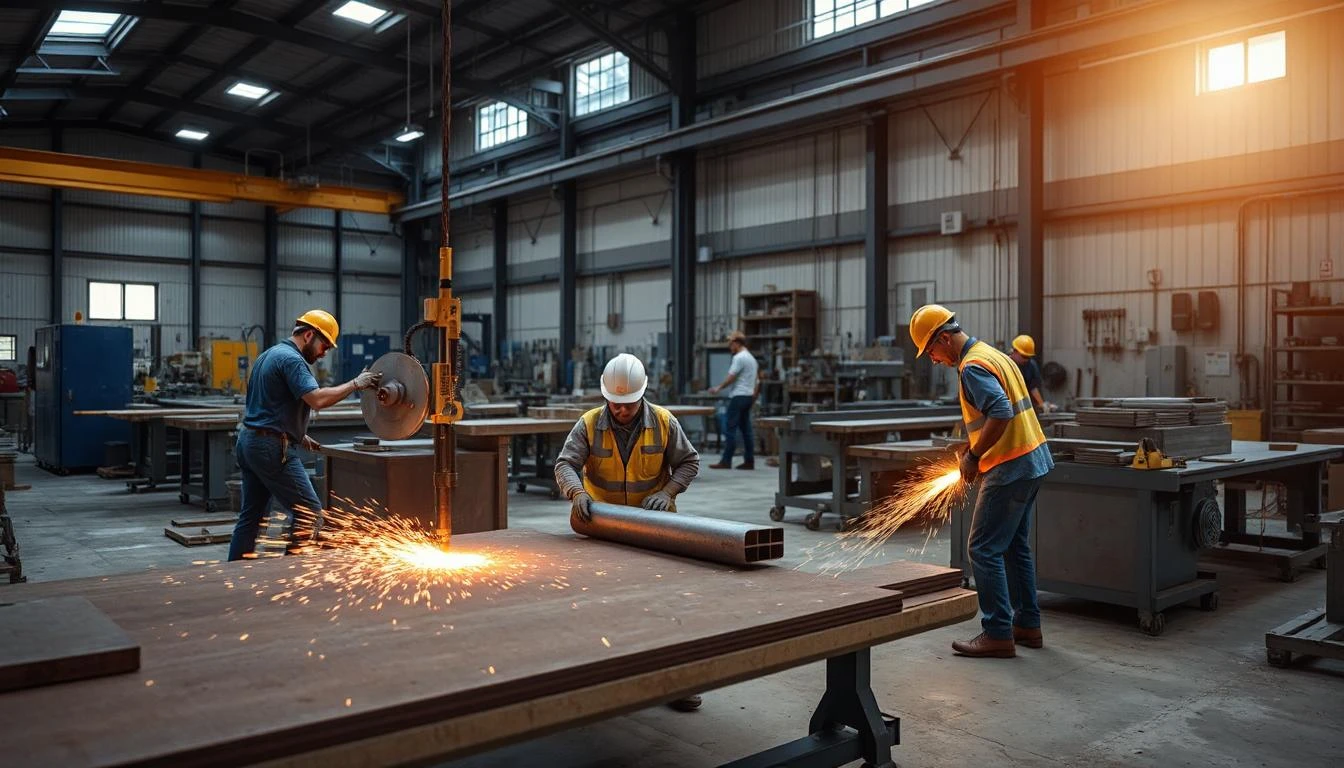
In this context, mastering workshop cutting operations is not just a technical requirement, but a foundational skill that shapes how industries scale, optimize resources, and maintain consistency under pressure. Modern manufacturing environments are shifting toward highly optimized production systems where every square meter of space must contribute to output performance. Cutting workshops, in particular, sit at the heart of this transformation, acting as the core of precision-based fabrication workflows.
Planning an Efficient Workshop Layout
Before any machine is installed, the real foundation of productivity begins with thoughtful planning. A cutting workshop must be designed like a living system, where every movement, station, and workflow path serves a clear purpose.
The success of workshop cutting operations heavily depends on how intelligently space is organized, how materials flow, and how operators interact with their environment. A well-structured environment improves decision-making speed, reduces fatigue, and enhances overall production rhythm. Without it, even the most advanced machinery will underperform due to spatial inefficiency.
The concept of cutting workshop layout becomes crucial here, especially when designing zones for raw material intake, precision cutting, and finishing processes. A poor layout creates bottlenecks, while a smart layout creates momentum.
Organizing work areas for productivity
Work zones should be separated based on function, not convenience. Material storage, cutting stations, and finishing areas must be clearly defined to reduce cross-traffic and confusion. This structured separation enhances focus and improves operational clarity.
Allocating space for cutting equipment
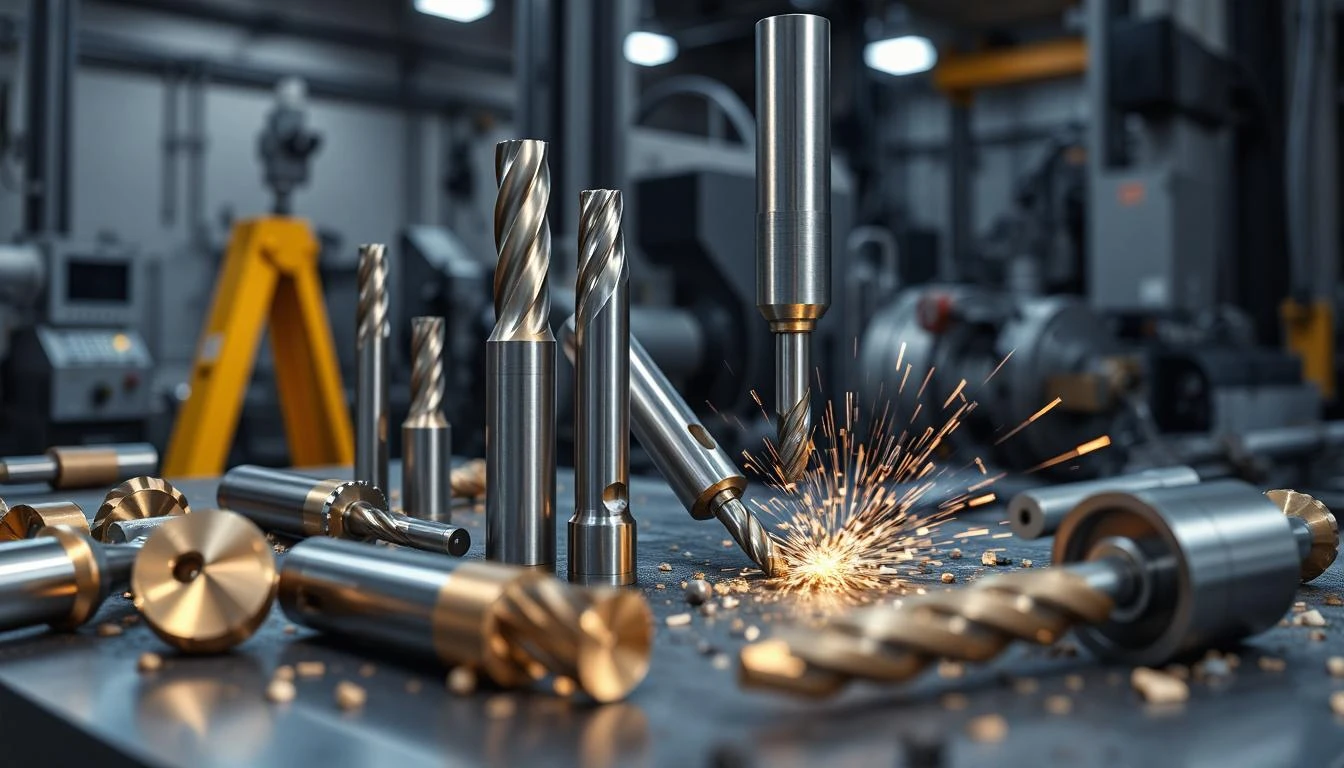
Heavy machinery such as laser cutters and CNC plasma systems requires stable, vibration-free environments. Adequate spacing ensures not only safety but also precision consistency during repetitive cutting cycles.
Ensuring smooth workflow processes
Workflow should feel intuitive, almost like a guided path. Materials must move in a logical sequence that eliminates backtracking and unnecessary handling, creating a seamless production rhythm.
Essential Equipment For Cutting Operations
Cutting workshops thrive on the balance between machine capability and human control. Equipment selection directly determines production quality, material compatibility, and operational efficiency.
Two hook paragraphs define this phase clearly: equipment is not just a toolset, but a performance multiplier that defines the limits of workshop cutting operations in real industrial scenarios. The integration of industrial workflow optimization systems ensures that every tool operates within a coordinated ecosystem rather than as an isolated asset.
Cutting machines and hand tools
Advanced systems like CNC machines, laser cutters, and plasma tools dominate precision tasks, while manual tools still play a critical role in finishing and adjustment work. This hybrid model ensures flexibility across production scales.
Workbenches and support systems
Stable workbenches act as the silent backbone of accuracy. Reinforced surfaces, anti-vibration structures, and ergonomic positioning help maintain consistency across long production cycles.
Safety equipment and protective gear
According to Dr. Helena Morris, a production systems engineer, “Safety is not an additional layer in manufacturing, it is the structural core that allows precision to exist consistently.” This reinforces the importance of protective systems as a non-negotiable foundation.
Maintaining A Safe And Productive Workshop
Sustainability in industrial environments depends on continuous monitoring, maintenance, and environmental control. Without these elements, productivity becomes unstable and unpredictable.
In high-performance workshop cutting operations, safety and efficiency are interconnected systems that must evolve together. The integration of metal cutting safety standards ensures compliance with global manufacturing regulations while protecting workforce longevity.
Proper ventilation and lighting
Cutting processes generate heat, particles, and fumes that must be controlled through proper ventilation systems. Lighting also plays a critical role in reducing human error during precision tasks.
Equipment inspection and maintenance
Regular calibration and predictive maintenance help identify early signs of wear and tear. This prevents unexpected downtime and ensures stable production output.
Workplace safety procedures
Standard operating procedures must be clear, consistent, and enforced daily. Emergency protocols, hazard labeling, and operator training create a controlled environment where risks are minimized.
Build A Workshop Designed For Efficient Cutting Operations
Designing a modern cutting workshop is no longer about placing machines in an open space, it is about engineering a responsive system that adapts to production demands in real time.
This is where workshop cutting operations evolve into a fully integrated industrial framework powered by precision planning and intelligent execution. The combination of human skill and machine intelligence creates a production environment that is both adaptive and highly controlled.