Easy DIY Projects With Precision Tools
In today’s evolving Business & Industry ecosystem, DIY culture has shifted from simple hobbies into structured creative engineering. Makers, hobbyists, and even small-scale innovators are now relying on accuracy-driven methods to produce work that feels professional yet personal. This shift has made precision tools a silent backbone in modern crafting environments.
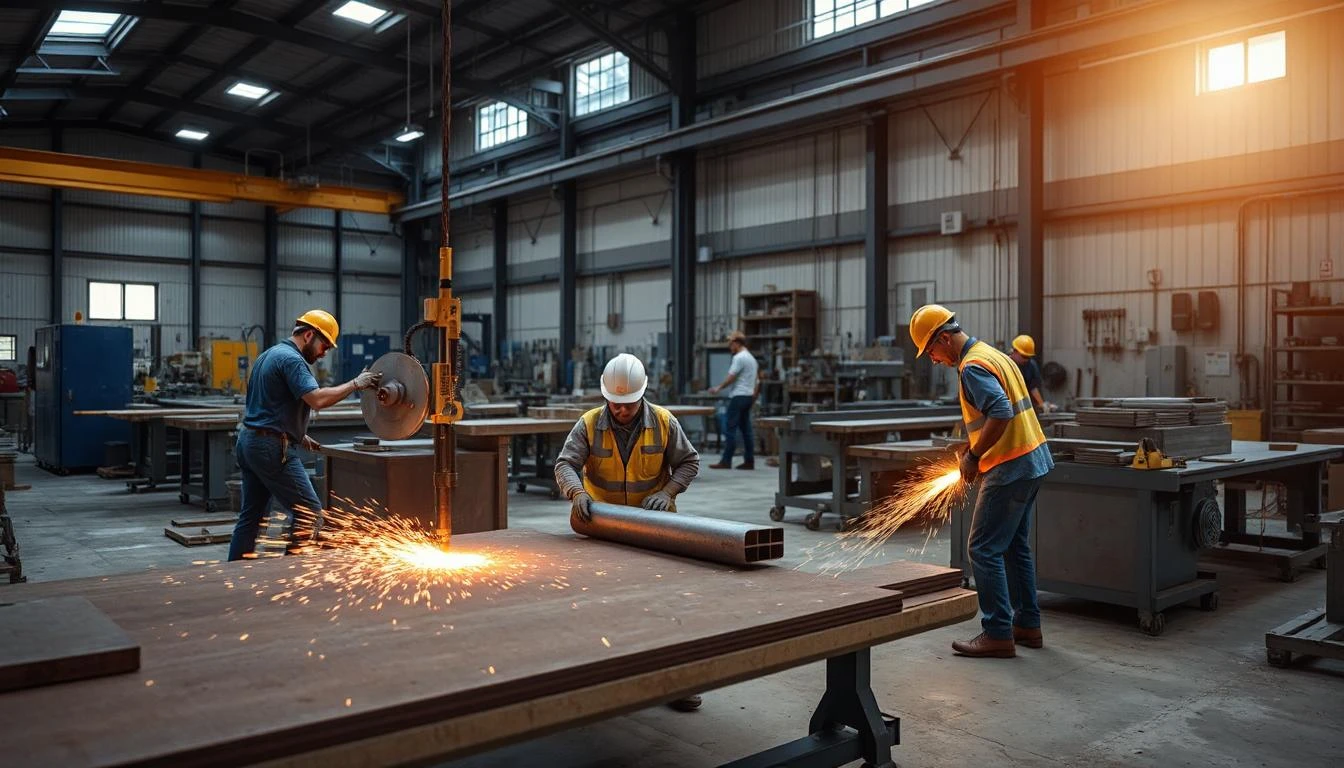
What once required industrial machinery can now be achieved at home with careful planning and the right approach. Small workshops are turning into innovation hubs where creativity meets measurement discipline, shaping a new era of hands-on production. The world of diy projects precision tools is becoming increasingly relevant as creators seek higher accuracy, better finishes, and more reliable results in every build.
Getting Started With DIY Precision Projects
Starting your journey into precision-based crafting opens the door to a more structured and satisfying way of building. Instead of guessing, every movement becomes intentional, every cut becomes calculated, and every measurement contributes to a final result that feels professionally engineered.
The supporting concept of beginner diy tool projects becomes essential here, especially for those who are just stepping into hands-on crafting and want to avoid overwhelming complexity.
Benefits of using precision tools
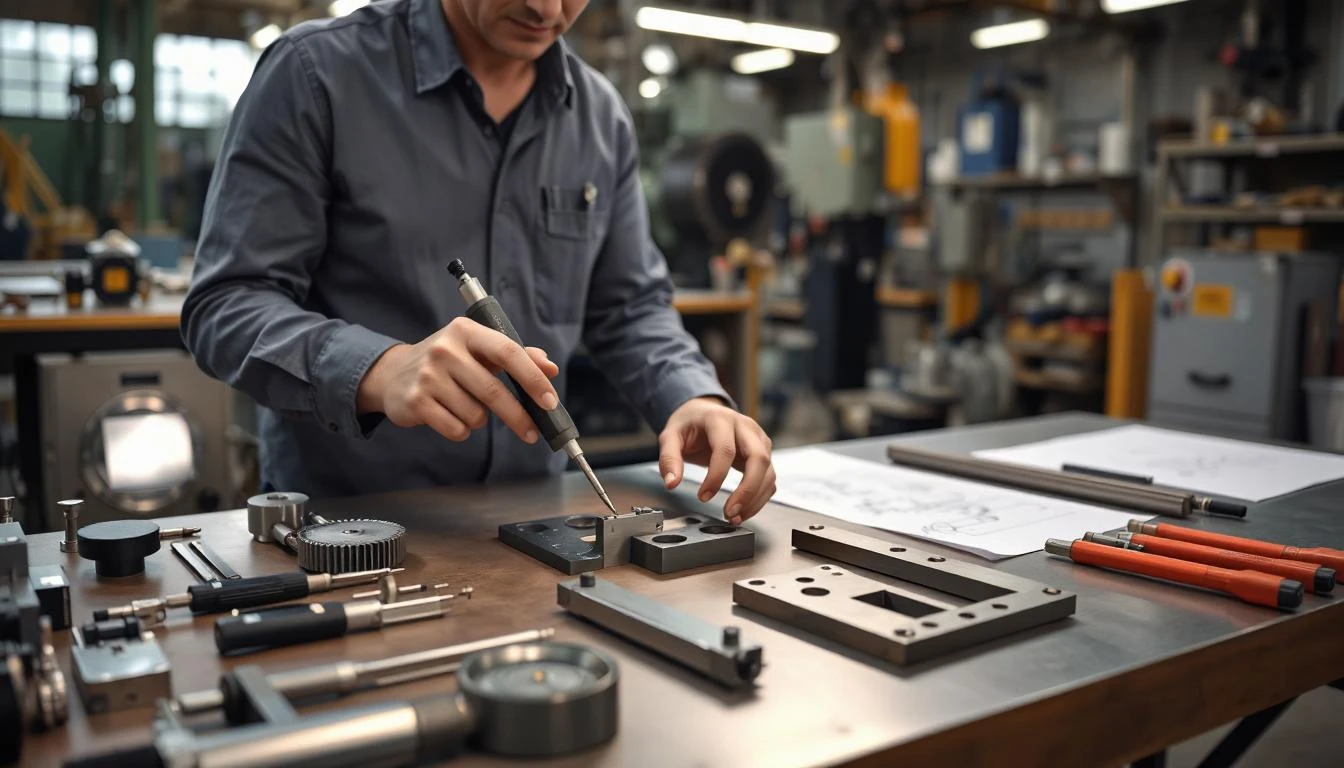
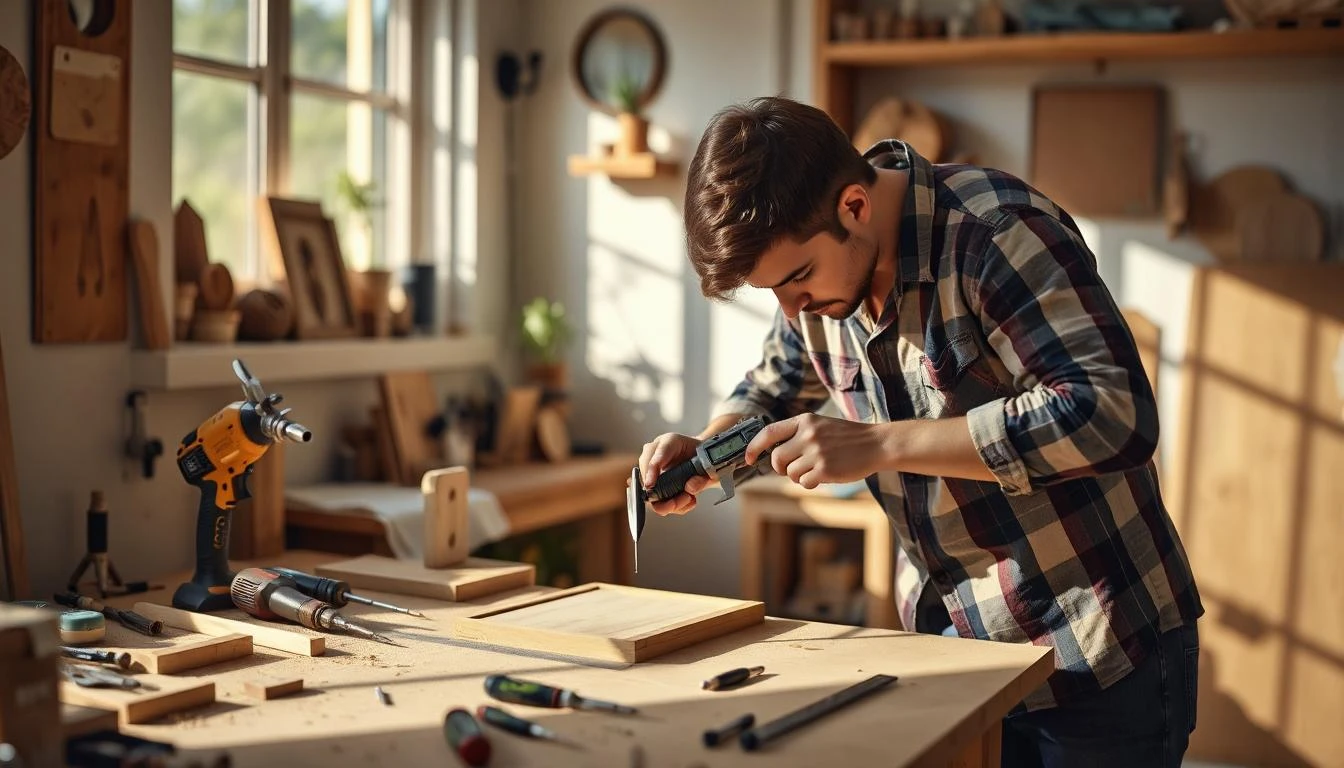
Precision tools transform ordinary DIY work into controlled craftsmanship. Digital calipers, laser levels, and fine-cut saws allow you to eliminate guesswork and improve consistency across projects. In modern workshop culture, accuracy is not just preferred, it defines quality itself. As engineer Michael Reynolds once said, “Precision is the language of good construction; without it, creativity loses structure.”
Choosing beginner friendly projects
Starting small is not a limitation, it is a strategic foundation. Projects like wooden organizers, mini shelves, or decorative frames help you understand alignment and measurement flow. These entry-level crafting builds introduce essential habits that later support more complex designs.
Preparing materials and workspace
A well-prepared workspace enhances focus and reduces unnecessary errors. Good lighting, organized tools, and stable surfaces are critical for achieving clean results. Materials like plywood, acrylic sheets, and soft metals are ideal for early experimentation, especially in precision woodworking environments.
Popular DIY Projects Using Precision Tools
Creative expression becomes far more powerful when supported by accuracy. This is where precision tools unlock new levels of design control, allowing even beginners to create structured and visually balanced projects.
The use of DIY home improvement tools plays a major role in shaping results that are both functional and visually refined.
Home decoration and craft projects
Decorative projects such as wall art, geometric frames, and LED installations rely heavily on accurate measurement. Even a slight misalignment can affect the entire visual balance. These projects help train your eye for symmetry while sharpening your technical control.
Small woodworking creations
Woodworking remains one of the most practical ways to apply precision skills. Items like stools, compact shelves, and storage boxes introduce real-world construction logic. Each cut and joint requires careful planning, making it a perfect training ground for structured craftsmanship.
Customized household accessories
Personalized items like phone stands, desk organizers, or kitchen tools highlight the connection between creativity and utility. These builds reflect how functional DIY design techniques can transform simple materials into meaningful everyday objects.
Tips For Successful DIY Results
Mastering precision-based crafting requires patience and discipline. Every detail matters, and consistency often determines the final outcome more than complexity does.
Measuring and cutting accurately
Accurate measurement is the foundation of all successful builds. Using proper tools ensures each cut aligns perfectly with your intended design. This principle is widely used in industrial environments where precision defines structural integrity.
Maintaining tools during projects
Tools that are well-maintained produce more reliable results. Cleaning blades, checking calibration, and proper storage all contribute to long-term accuracy. Neglected tools often lead to inconsistent output and reduced project quality.
Avoiding common DIY mistakes
Many beginners rush through planning and jump directly into execution. This often leads to misalignment and wasted materials. Another expert, Laura Kensington, a workshop design consultant, once stated, “Most DIY failures come not from lack of skill, but from lack of preparation.”
Start Creating DIY Projects With Precision And Confidence
Building with precision is not about perfection, it is about awareness. Every measurement you take, every adjustment you make, and every correction you apply shapes your growth as a creator. The more you practice, the more natural accuracy becomes in your workflow.
The real transformation happens when you stop treating tools as accessories and start seeing them as extensions of your thinking process. That is where craftsmanship begins to feel intentional and deeply rewarding. Precision tools open the door to a more disciplined and satisfying creative journey, especially when applied to diy projects precision tools consistently across different builds.